history of halloween in america unique homemade halloween costumes for kids
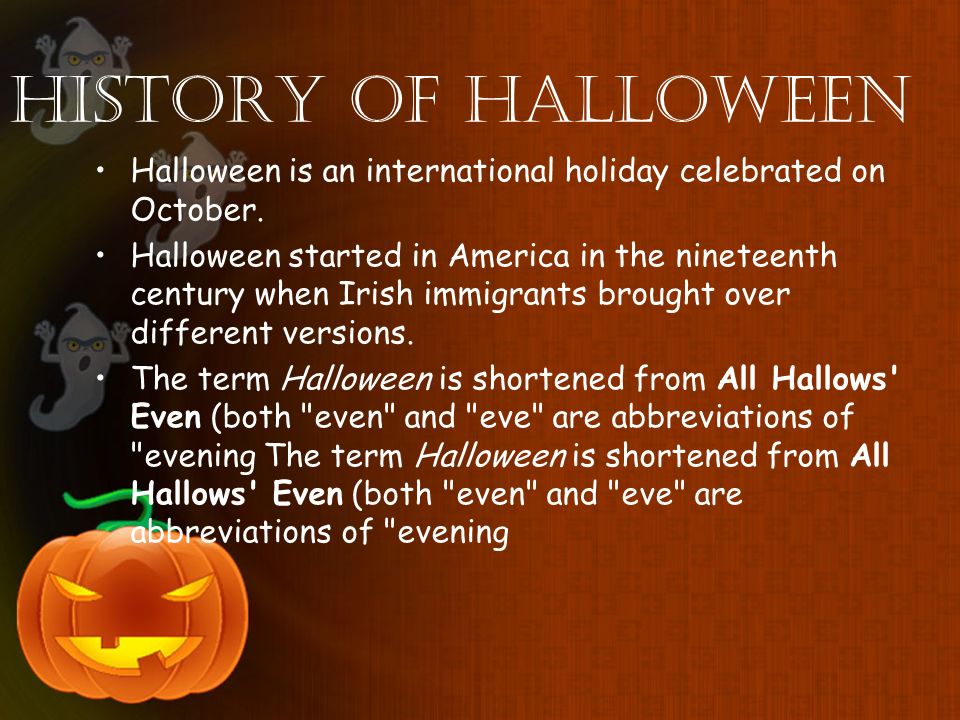
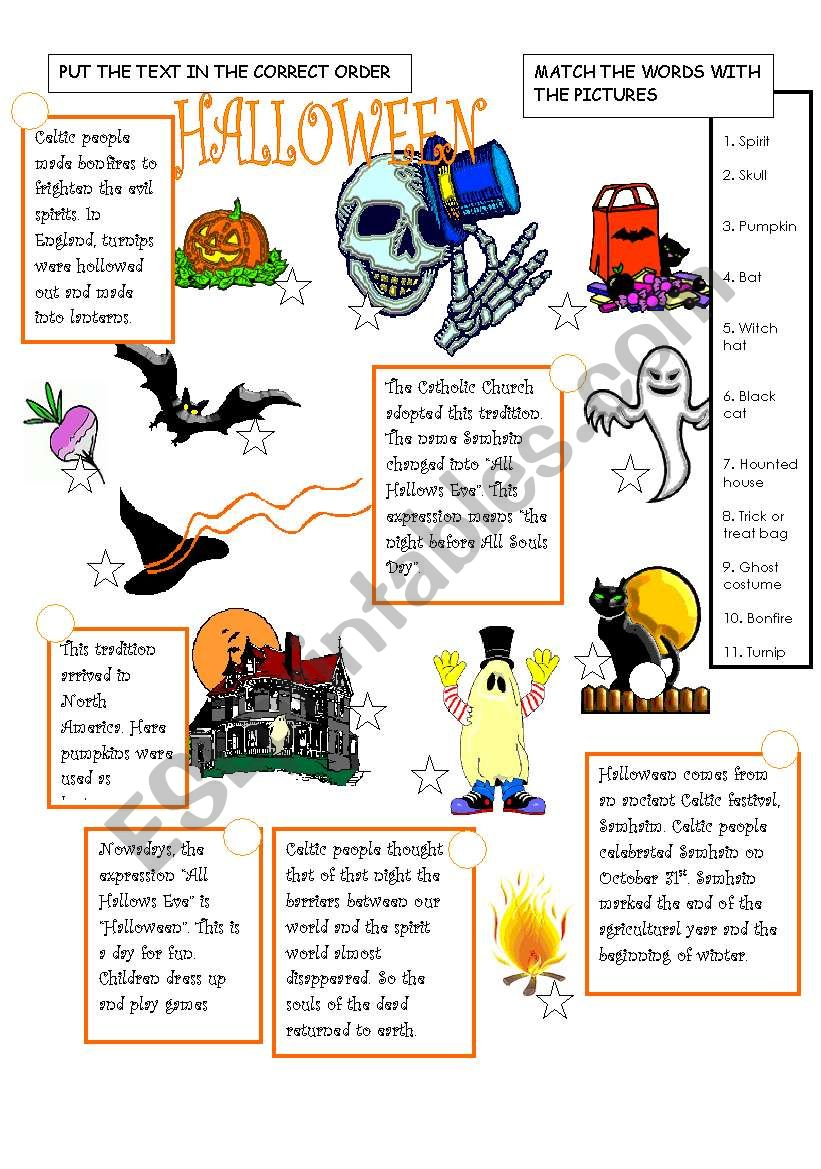
Learn about the ancient Celtic festival of Samhain, the Christian feast of All Saints' Day and the American celebration of Halloween. Find out how Halloween evolved over time and across cultures, and discover some fun facts and figures about the holiday. Learn how Halloween evolved from ancient Celtic and Roman rituals to a Christian festival to a popular American holiday. Discover the origins of costumes, jack-o'-lanterns, trick-or-treating, and more. Learn how Halloween evolved from ancient Celtic rituals to a modern American tradition, with influences from Christianity, European myth and consumerism. Explore the origins of trick-or-treating, jack-o-lanterns, haunted houses and more. Halloween, a holiday observed on October 31, the evening before All Saints’ Day. The celebration marks the day before the Western Christian feast of All Saints and initiates the season of Allhallowtide. In much of Europe and most of North America, observance of Halloween is largely nonreligious. Halloween traditions in the West date back thousands of years to the festival of Samhain (pronounced 'Soo-when', 'So-ween' or 'Saw-wen'), the Celtic New Year's festival. The name means "summer's end", and the festival marked the close of the harvest season and the coming of winter. Learn how Halloween traditions such as carving pumpkins, wearing costumes, and trick-or-treating evolved from ancient Celtic and Christian festivals. Explore the historical sources and examples from newspapers and other documents in the Library of Congress. As America modernized and urbanized, mischief turned to mayhem and eventually incited a movement to quell what the mid-20th-century press called the “Halloween problem”—and to make the Drawing on a fascinating array of sources, from classical history to Hollywood films, Rogers traces Halloween as it emerged from the Celtic festival of Samhain (summer's end), picked up elements of the Christian Hallowtide (All Saints' Day and All Souls' Day), arrived in North America as an Irish and Scottish festival, and evolved into an According to Kelly, Halloween took root in the U.S. sometime around the 19th century, when the Irish immigrated to America, bringing their traditions and celebrations, including All Saints’ Day Halloween originated with the ancient Celtic festival of Samhain and is now a worldwide event. Learn about the jack‑o‑lantern, trick‑or‑treating, Halloween costumes and more. American historian and author Ruth Edna Kelley of Massachusetts wrote the first book-length history of Halloween in the US: The Book of Hallowe'en (1919), and references souling in the chapter "Hallowe'en in America". [176] Candy had first made its appearance in the 1800s at American Halloween parties as taffy that children could pull, and candy is now solidified as the go-to “treat.” By the mid 20th century Ancient Origins of Trick-or-Treating. Halloween has its roots in the ancient, pre-Christian Celtic festival of Samhain, which was celebrated on the night of October 31.The Celts, who lived 2,000 Halloween festivities as we know them today in the United States are a very recent invention. Before the twentieth century, folks had little inclination or incentive to hand out sweet treats to costumed youth, with All Hallows’ Eve largely understood as a vaguely creepy pan-cultural pagan holdover invoking the fall festival of Samhain. The history of Halloween in America is a tale of evolution and adaptation. What began as an ancient Celtic festival has transformed into a uniquely American celebration characterized by costumes, candy, and community. How did Halloween become an American holiday? The Halloween that you know today is a result of the great American immigrant melting pot. At first, celebrations were pretty limited in colonial New England as the Puritans weren't on board with the holiday's pagan roots. Because of this, Halloween was more common in Maryland and the southern colonies. Places like Anoka in Minnesota, the self-proclaimed "Halloween capital of the world," paved the way for this. In Anoka, the first official Halloween celebrations of the USA took place in 1920. Scary costumes became more and more popular in America from the 1930s on, and a huge market was built around Halloween products. Most scholars agree that Halloween originated around 2,000 years ago, when Celtic people in Europe celebrated the end of the harvest and the start of a new year in a festival called Samhain.People The History of Trick-or-Treating Goes Back Centuries. From the ancient Celts to medieval English, the Halloween tradition precedes the costumed children who will soon swarm your block All in all, for much of American history, people found plenty to do on Halloween! Find out more about historic Halloween superstitions and celebrations in your neck of the woods by searching Chronicling America for “Halloween,” “All Hallows Eve,” or “All Saints Day.” Using the Advanced Search, you can search for celebrations in your
Photos