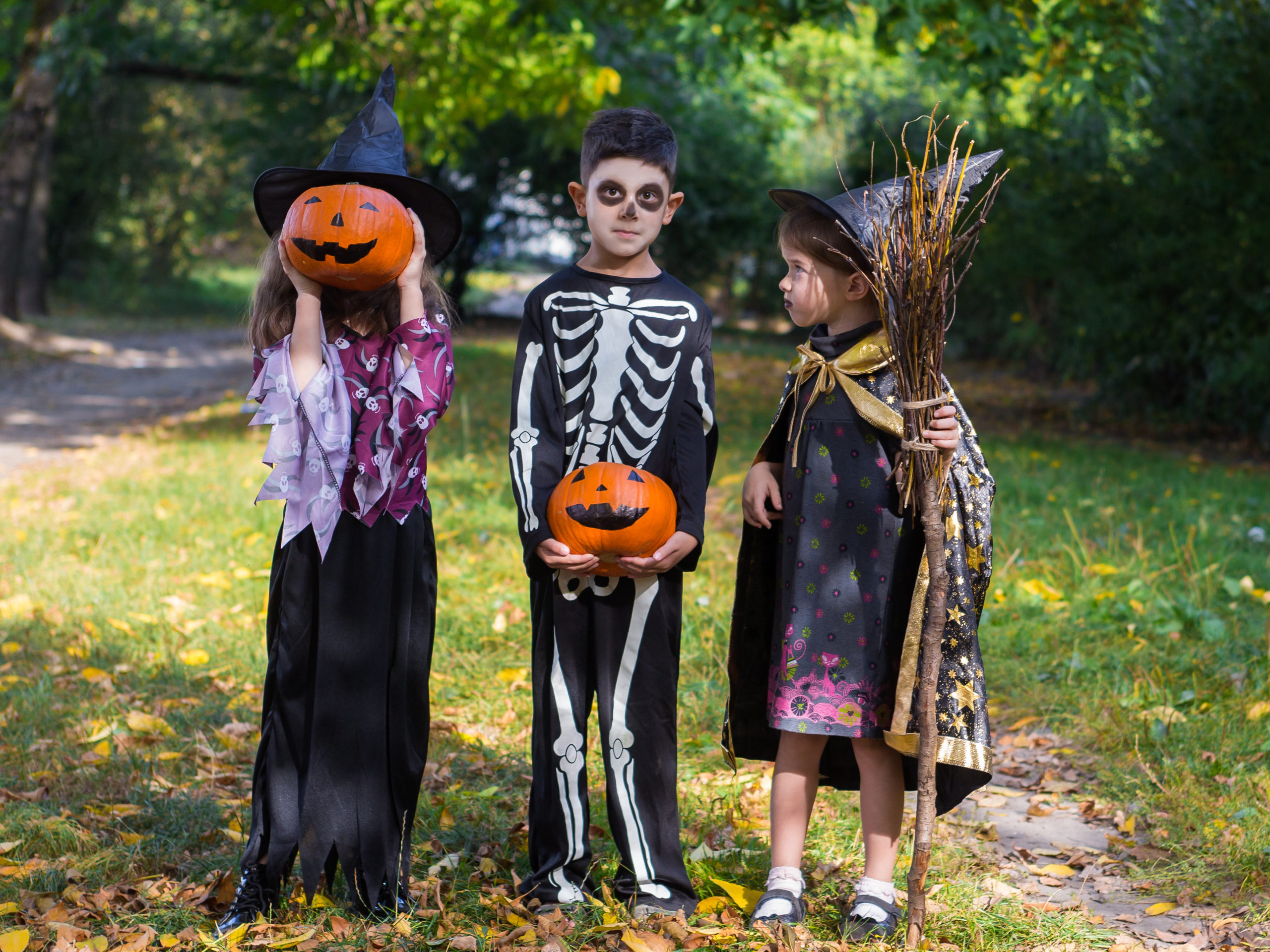
history of dressing up for halloween halloween gift present unturned
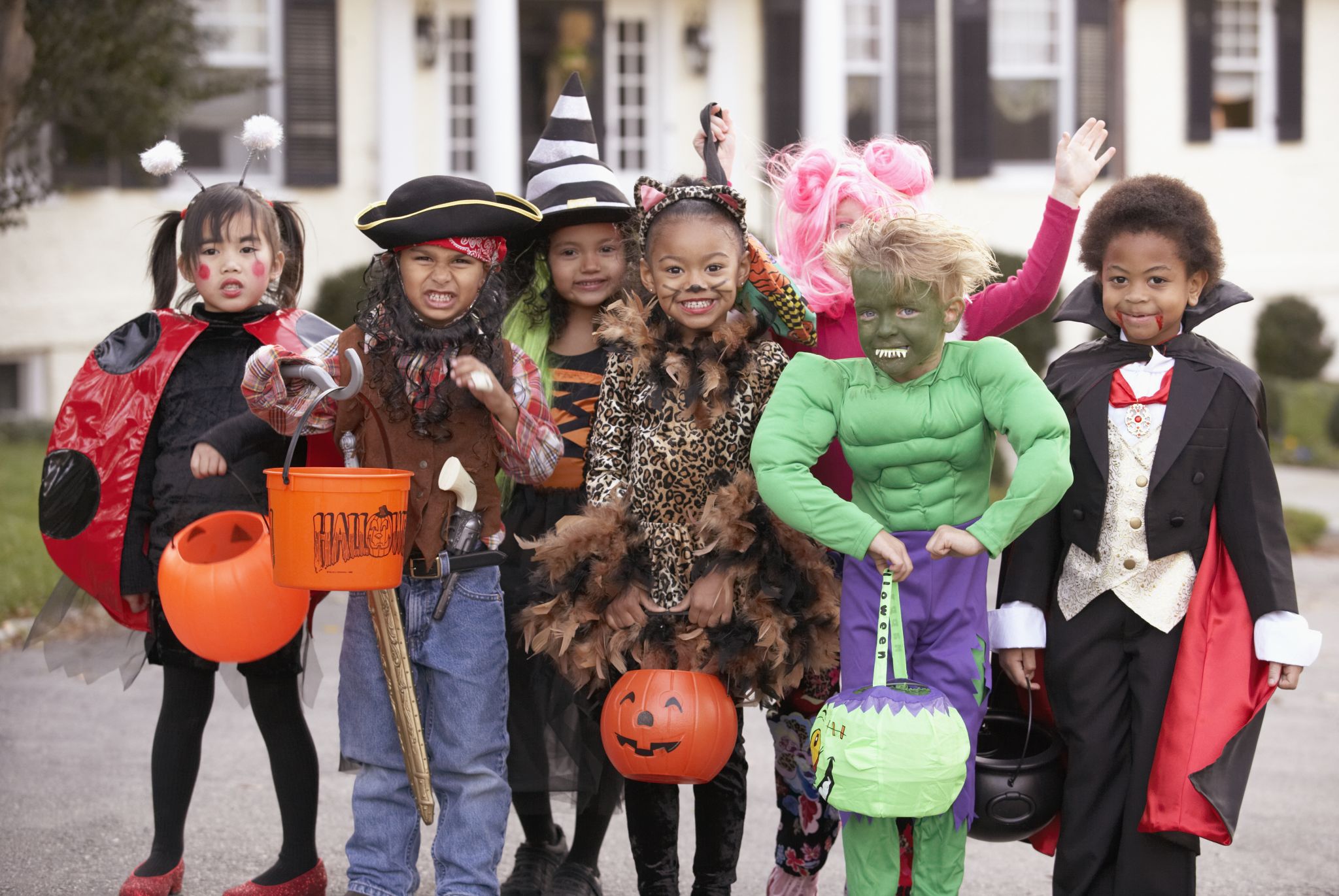
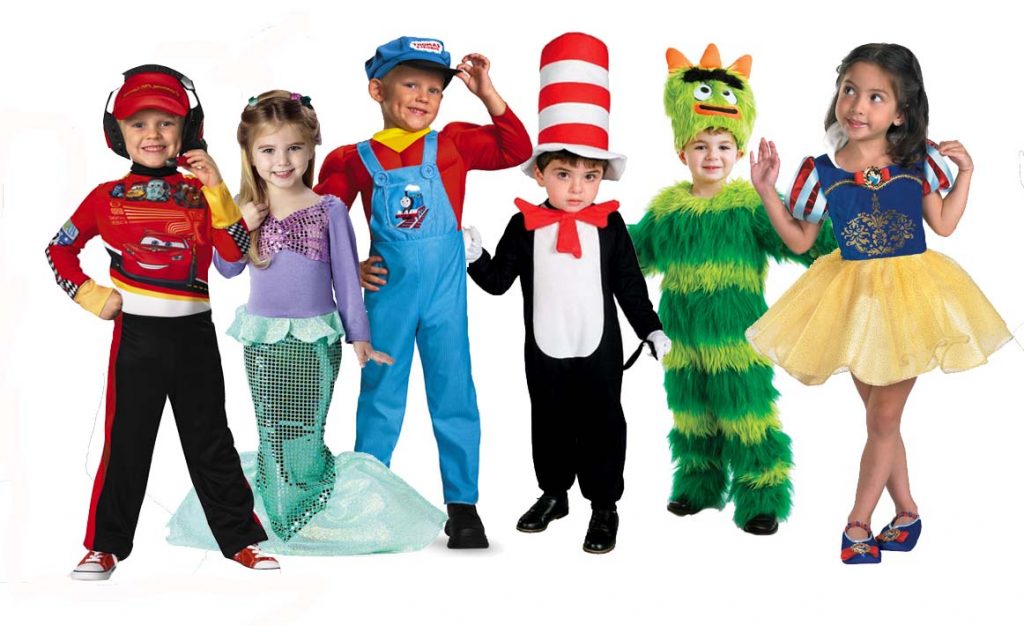
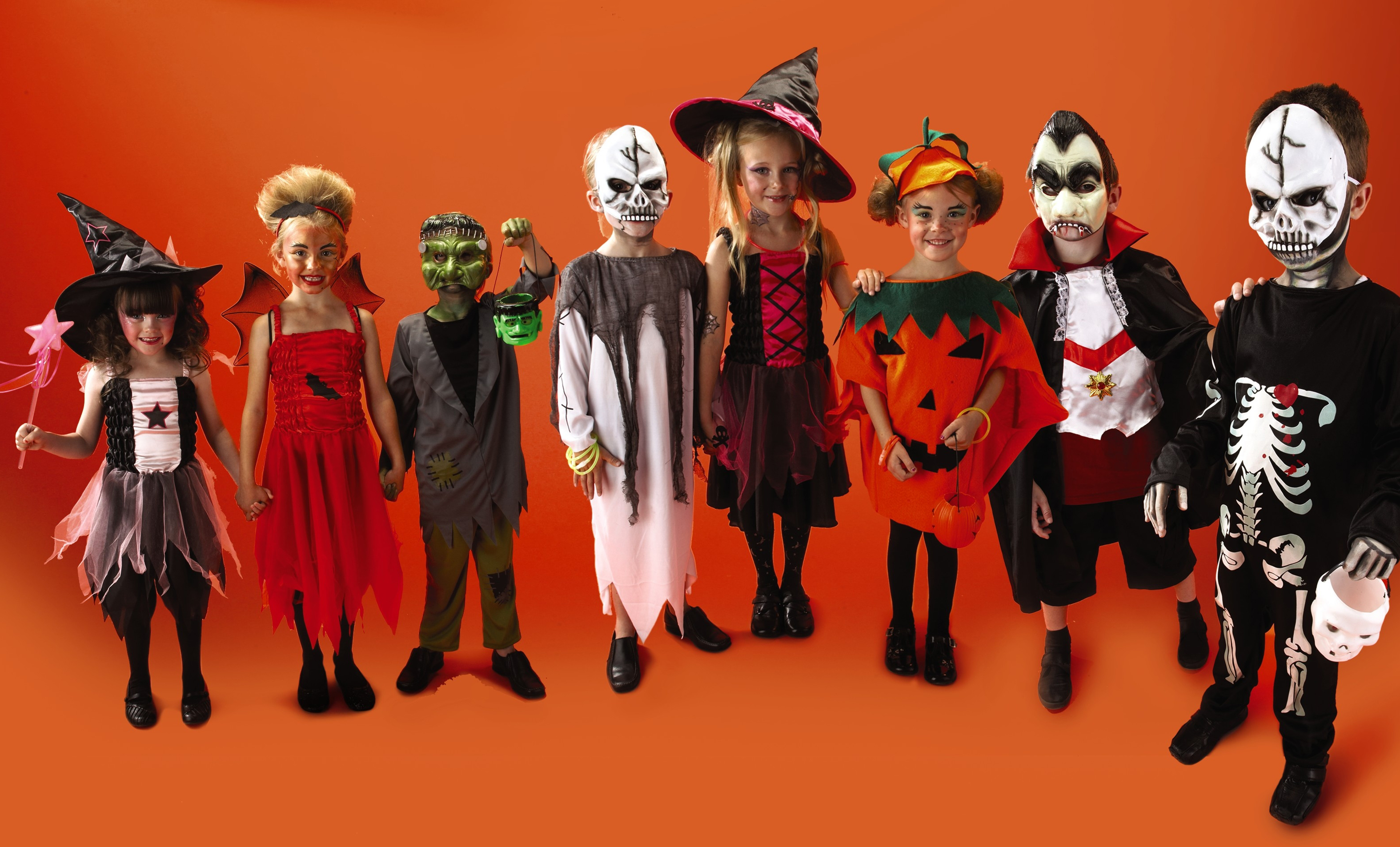
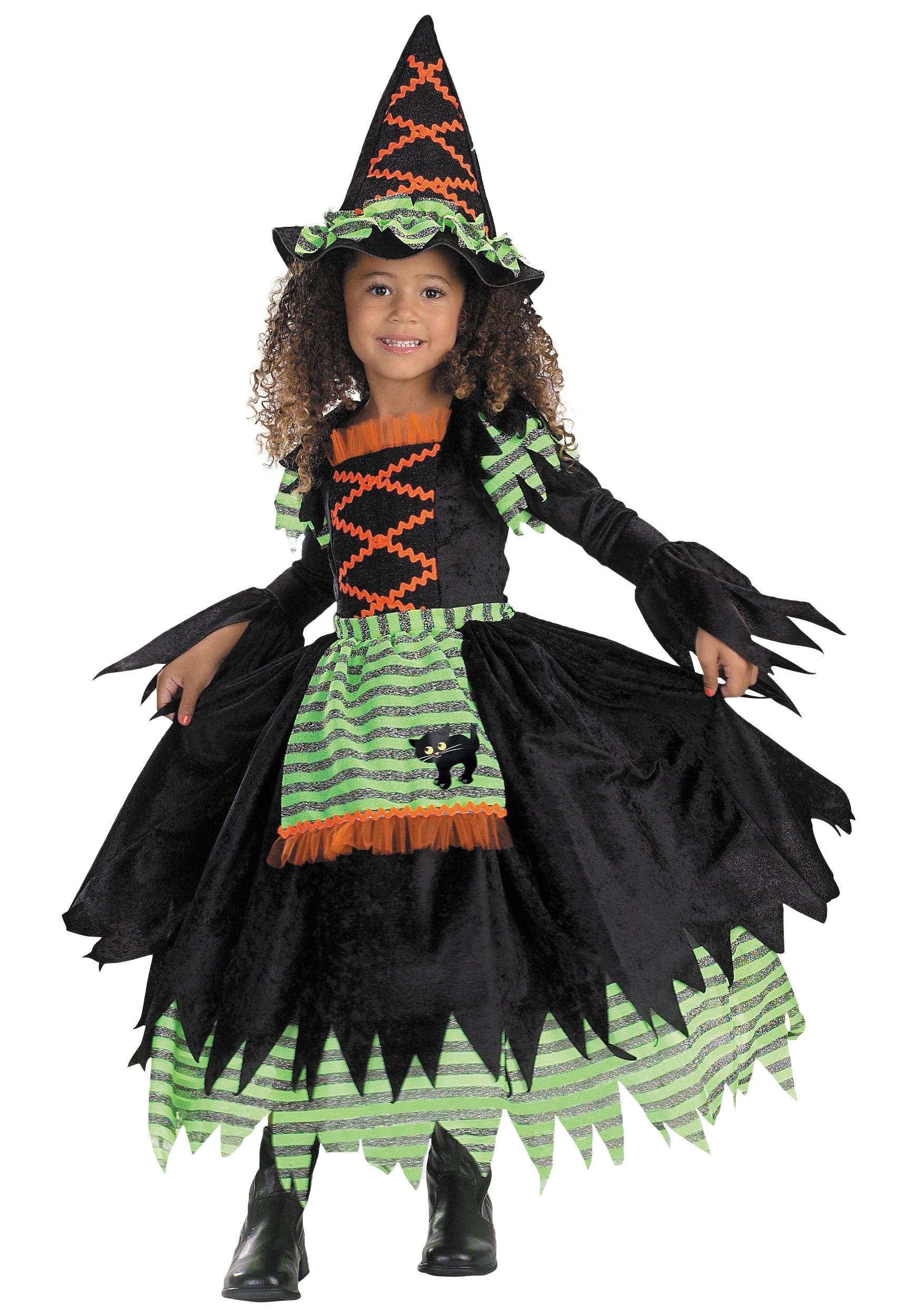
“The whole point of dressing up was to be completely in disguise.” Three girls prepare for Halloween festivities in the College Hill neighborhood of Cincinnati, Ohio, 1929. Felix Koch But Samhain and its traditions continue to play a significant role in how people celebrate Halloween in the current day, including dressing up in costumes. Originally, it was a holiday to celebrate a bountiful harvest and mark the start of winter or the darker part of the year. During this time, those who observed believed that the door between Halloween’s origins date back to the ancient Celtic festival of Samhain (pronounced sow-in). The Celts, who lived 2,000 years ago, mostly in the area that is now Ireland, the United Kingdom and Halloween costume parties generally take place on or around October 31, often on the Friday or Saturday before the holiday. Halloween parties are the 3rd most popular party type held in the United States, falling behind only to Super Bowl and New Year's Eve parties. [ 34 ] College students dressed up for Halloween. The Celts would wear various costumes, most commonly made by themselves from animal skin and heads. Although Halloween dates back around 2,000 years, the costumes which we are now so familiar with have only existed for the past 100 years or so. At the end of October, children of all ages dress as vampires, witches, and devils, while adults all A: Dress-up for Halloween was more or less strictly a U.S. custom from the mid-19th century until just recently, but is now gaining popularity in many parts of the world. While All Hallow’s Eve traditions came to America with Puritan settlers in the 17th century, generally speaking they were not as acceptable as in Britain. The evening before All Saints Day was known as All Hallows Eve, and later, Halloween. Here is a look at the origins of some of the classic Halloween traditions we know today. Los Angeles Herald (Los Angeles, CA), October 30, 1910. Carving Jack-o’-Lanterns. The tradition of carving Jack-o’-Lanterns originated in Ireland using turnips instead Why Swedish children celebrate Easter by dressing up as witches Halloween 2010: Top Costumes, History, Myths, More Halloween 2012: Top Costumes, History, Myths, More Celebrations held at the end of October may have changed vastly from the original pagan feasts of Samhain, but the donning of disguises has remained over hundreds if not thousands of years. As fashion, morals and the reasons for costumes changed, so did their style. With us Brits spending around £600,000,000 a year on Halloween costumes it’s As Lindsay Lohan’s character in the 2004 film Mean Girls famously observed: “In the real world, Halloween is when kids dress up in costumes and beg for candy. In girl world, Halloween is the Over the years, the holiday became a time for children to dress up as the ghosts their ancestors once feared. An old cabinet photograph shows a young woman and five boys in full Halloween costume These days, Halloween is a time for trick-or-treating, dressing up in costumes, putting up your favorite Halloween decorations and watching scary movies. Modern Halloween traditions are all about Why do children dress in costume and knock on strangers' doors to ask for treats on Halloween? The practice can be traced to the ancient Celts, early Roman Catholics and 17th-century British politics. Lisa Morton, author of “Trick or Treat: A History of Halloween,” views the history of Halloween timeline somewhat differently, Halloween is an open invitation to dress up and play pretend Samhain is a pagan religious festival originating from an ancient Celtic spiritual tradition. In modern times, Samhain (a Gaelic word pronounced “sow‑win”) is usually celebrated from October Halloween, celebrated on October 31st, is a holiday marked by various activities, including dressing up in costumes, trick-or-treating, carving jack-o’-lanterns, and attending parties. The modern celebration of Halloween is primarily secular and focuses on fun, creativity, and a sense of community, but its roots are deeply intertwined with As for when people began really dressing up to celebrate Halloween as the holiday it is now, it actually started in County Cork, Ireland. The Scottish also participated, but, according to Today Halloween is considered a holiday for dress-up and fun, especially for children. Halloween’s origins can be traced back to the ancient Celtic festival known as Samhain, which was held on November 1 in contemporary calendars. It was believed that on that day, the souls of the dead returned to their homes, so people dressed in costumes In the 1950s, mass-produced box costumes became more affordable, so more kids began to use them to dress up as princesses, mummies, clowns or more specific characters like Batman and Frankenstein Dressing up for Halloween may be rather untraceable as a custom—the truth is that as long ago as medieval times, people loved to dress up for various festivities; Jack-o-Lanterns come from the Irish, who originally carved turnips; the English begged from door to door for “Soul Cakes,” promising to pray for the departed loved ones of those
Photos