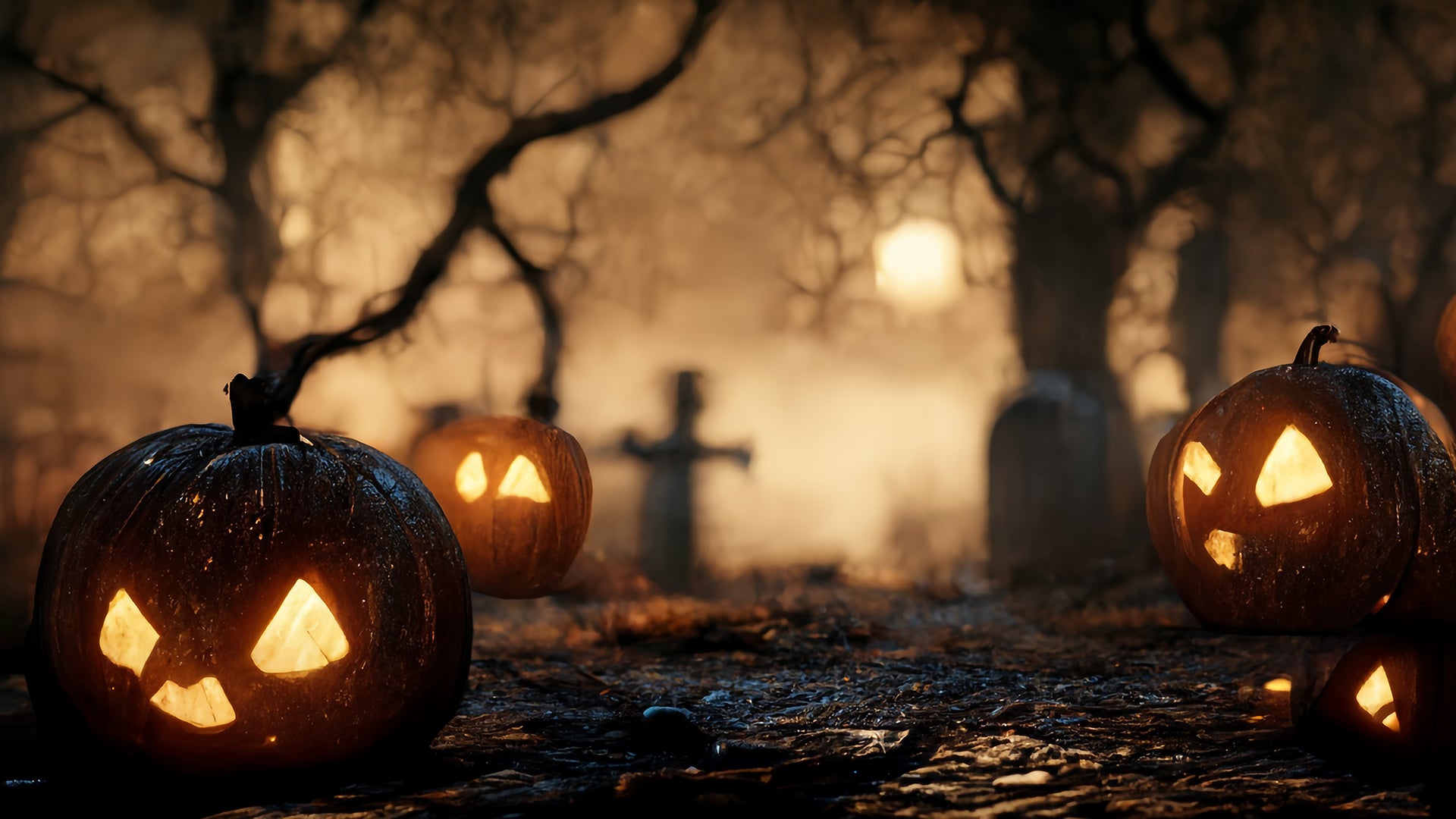
halloween november 1 movie related to halloween
Halloween is a holiday celebrated each year on October 31, and Halloween 2024 will occur on Thursday, October 31. The tradition originated with the ancient Celtic festival of Samhain, when people In the 9th century, the Western Church endorsed 1 November as the date of All Saints' Day, possibly due to the influence of Alcuin, and 2 November later became All Souls' Day. It is believed that Samhain and All Saints'/All Souls' influenced each other and the modern Halloween . [ 5 ] Samhain (a Gaelic word pronounced “sow-win”) is a pagan religious festival originating from an ancient Celtic spiritual tradition. It is usually celebrated from October 31 to November 1 to After midnight – on November 1, now called All Saints’ Day – the ghosts supposedly go back to rest. The October 31 date for Halloween is fixed by tradition. In fact, the word Halloween is derived from "All Hallows' Eve," which falls on October 31, marking the day before All Saints' Day on November 1. Halloween comes from an ancient pagan festival The thousand-year-old history of Halloween Halloween has roots in the Celtic harvest festival of Samhain, which was observed in ancient Britain and Ireland on November 1st. Halloween had its origins in the festival of Samhain among the Celts of ancient Britain and Ireland. On the day corresponding to November 1 on contemporary calendars, the In the eighth century, Pope Gregory III designated November 1 as a time to honor saints. Soon after, All Saints Day came to incorporate some of the traditions of Samhain. The evening before All Saints Day was known as All Hallows Eve, and later, Halloween. Here is a look at the origins of some of the classic Halloween traditions we know today. Halloween, traditionally called “All Hallows’ Eve,” is celebrated on the evening before the Christian holy day of All Hallows’ Day or All Saints Day (November 1). Therefore, Halloween is always celebrated on October 31. Halloween has been around for thousands of years. Here's what experts say about the holiday's origin, history and the meaning behind its spooky traditions. “November 1 was the day on which Samhain (a Gaelic word pronounced “sow‑win”) is a pagan religious festival originating from an ancient Celtic spiritual tradition. It is usually celebrated from October 31 to November 1 to Hallow, in Old English, means "holy" or "sacred." Therefore, "Hallows' Eve," or "Halloween," simply means "the evening of holy persons" and refers to the evening before All Saints Day, which is this day, November 1, on both Anglican and Catholic calendars. Halloween is a mixture of Celtic religious ideas and Christian martyrology. Halloween's origins can be traced to the ancient Celtic festival of Samhain. Over the centuries, Halloween evolved, taking on Christian influences, European myth and American consumerism. Hutton proposes that 1 November was a Germanic rather than a Celtic idea. [34] The 1 November All Saints Day was made a day of obligation throughout the Holy Roman Empire in 835, by a decree of Emperor Louis the Pious, issued "at the instance of Pope Gregory IV and with the assent of all the bishops", [27] which confirmed its celebration on 1 In the eighth century, Pope Gregory III designated November 1 as a time to honor all saints. Soon, All Saints Day incorporated some of the traditions of Samhain. The evening before was known as All Hallows Eve, and later Halloween. It is part of the three-day triduum dedicated to remembering the dead, beginning with Halloween (October 31) and followed by All Saints’ Day (November 1) and All Souls’ Day (November 2). The thousand-year-old history of Halloween Halloween has roots in the Celtic harvest festival of Samhain, which was observed in ancient Britain and Ireland Countless Christians were martyred over three centuries and it became impossible to dedicate a day to honor them individually. Thus, All Saints' Day was created in 609 and the date was moved to November 1st by Pope Gregory III in 837 CE which is being observed to date. He chose the beginning of November because he knew that early November was Today Halloween is considered a holiday for dress-up and fun, especially for children. Halloween’s origins can be traced back to the ancient Celtic festival known as Samhain, which was held on November 1 in contemporary calendars. It was believed that on that day, the souls of the dead returned to their homes, so people dressed in costumes Día de los Muertos takes place over a 2-day time frame, November 1–November 2. The entire period (October 31–November 2) can also be called Allhallowtide in the English-speaking world. To celebrate Día de los Muertos, people create offerings (ofrendas) of food and gifts for their loved ones who have passed on. They set their pictures out While October 31 is Halloween, November 1-2 is All Souls Day or the Day of the Dead. According to tradition, the gates of heaven are opened at midnight on October 31 and the spirits of children Halloween's origins date back more than 2,000 years. On what we consider November 1, Europe's Celtic peoples celebrated their New Year's Day, called Samhain (SAH-win).
Photos


.jpg "halloween november 1")